
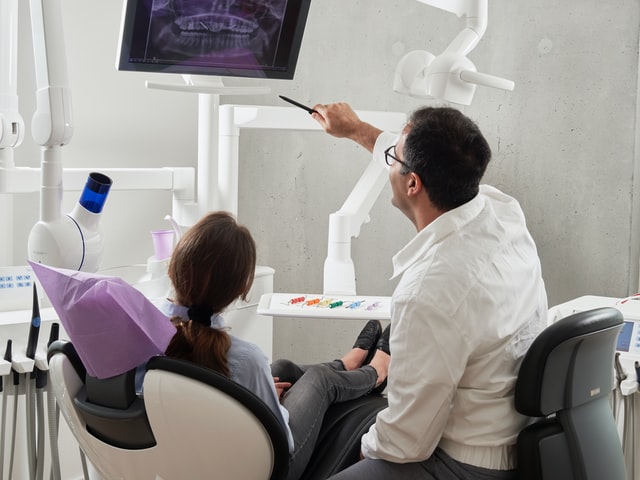
There are many benefits of regular visits to the dentist. In addition to the obvious reasons to visit your dentist, you also get to develop a relationship with the dental staff. You can share any concerns or questions you may have with the team. Open communication will make you more comfortable. This will help you to bring up any issues that may have gone unnoticed in the past. If you want to improve the quality of your dental care, you should be able to communicate with your dental staff regularly or you may visit family dental services Happy Valley.
Preventing cavities
One of the most important aspects of dental care is cavity prevention. During regular checkups, your dentist will inspect your mouth for cavities and perform necessary dental work. Cavities result from bacteria forming a sticky plaque on the teeth. Cavities cause pain, can lead to infections, and even result in tooth loss if left untreated. Although they can be treated with fillings, more severe cases may need root canals or even tooth removal.
In addition to regular brushing and flossing, you should limit the sugary snacks your child eats between meals. By doing this, you are limiting the amount of acid your teeth encounter and giving your teeth a chance to repair themselves. If you can, avoid sugary drinks after brushing your teeth. During the night, saliva flow is reduced, and your teeth are less able to repair themselves. Fluoride toothpaste is another important tool in preventing cavities.
Reducing heart attack and stroke risk
Getting your teeth cleaned regularly and undergoing preventive treatments can reduce your risk of a heart attack or stroke. However, dental care requires a certain level of risk. Patients with cardiovascular disease should wait six months before undergoing dental procedures. However, it’s not impossible to have a cleaning immediately following a heart attack. Just make sure your dentist has oxygen and nitroglycerin on hand. Also, make sure to mention any medications you’re taking, as blood-thinning drugs may cause excessive bleeding during oral surgery. In addition, many patients with cardiovascular disease take antiplatelet medications, such as Plavix. Patients with drug-eluting stents should not stop taking the medication without first consulting their cardiologist.
While previous studies have found an association between oral health and cardiovascular health, this one has been unable to find a direct connection. According to Dr. Timothy Brown, associate professor of health policy at the University of California, Berkeley School of Public Health, the link between dental care and cardiovascular health is tenuous. While dental care may increase your risk of cardiovascular disease, the effects are transient. Ultimately, the benefits of dental care will outweigh any short-term risks.
Reducing tooth loss
Good oral hygiene is essential for preventing tooth loss. Brushing twice a day with a fluoride-containing mouthwash and flossing daily are all important. Limit sugary foods and drinks and limit snacks. Avoiding sugary gum and hard candy can help prevent enamel erosion. Dental sealants can protect the back teeth from decay. And if you’re worried about tooth loss, don’t delay dental care until it’s too late.
Regular dental checkups and interdental cleaning tools can help prevent tooth loss. Also, dentists can help you reduce tooth loss by explaining the importance of regular dental checkups. By following these tips, you can prevent tooth loss and prevent it in the first place. Taking care of your teeth and keeping them healthy can help you live a longer and happier life. And speaking of oral care, it doesn’t have to be difficult.
Building a relationship with your dentist
When getting treatment, building a relationship with your dentist is essential to ensuring the best possible dental care. Creating an open and honest relationship with your dentist is the cornerstone of a professional relationship. Remember, each patient has a unique experience, dental needs, budget, and culture, which all must be taken into account when establishing a relationship. It is also important to note that you typically have the right to choose your dental professional. If this does not happen, seek care elsewhere.
When creating a positive relationship with your dentist, you can start with the golden rule: “Treat others how you would like to be treated.” Make a point always to be kind and courteous, and you’ll be rewarded with positive interactions from your dentist. Setting reminders in your dental chart for regular cleanings is also beneficial. Ask your dentist about your job, hobbies, and any other events that are important to you. Your dentist may even want to get to know your friends and family.
Getting a cleaning at a dentist’s office
Dental cleaning at a dentist is essential for both general and oral health. If you do not care for your teeth and gums, you risk developing periodontal disease, tooth decay, cavities, and even oral cancer. In addition, research has shown that poor oral health is associated with many other chronics and acute health conditions, such as diabetes, heart disease, and premature birth. This can make regular scheduling cleanings at a dentist’s office more important.
There are many benefits of cleaning at a dentist’s practice, but the cost can be high. While regular oral hygiene will ensure minimal pain, dental anxiety can cause discomfort. To alleviate dental stress, take OTC painkillers before your appointment and request an anesthetic if your dentist has one available. Also, switch your toothpaste to a desensitizing one, and avoid acidic or hot foods afterward.
Getting a filling at a dentist’s office
Getting a filling at a dental practice is generally a quick and easy procedure with few aftereffects. However, you might notice sensitivity or discomfort if you don’t follow your dentist’s instructions. In most cases, you’ll be able to eat and drink immediately after filling. It would be best if you also were careful about how you care for your new filling. If you notice it is too sensitive or painful, it’s time to visit your dentist.
Cavities are holes in a tooth’s surface caused by tooth decay. If left untreated, these holes will continue to grow larger and can even result in an abscess. A filling can stop pollution before it becomes too advanced. Fillings also protect teeth from further damage, including the risk of endocarditis and other diseases. A filling can also correct the appearance of a chipped tooth.