Month: September 2023

How Bathroom Fixtures Can Enhance the Value of Your Home

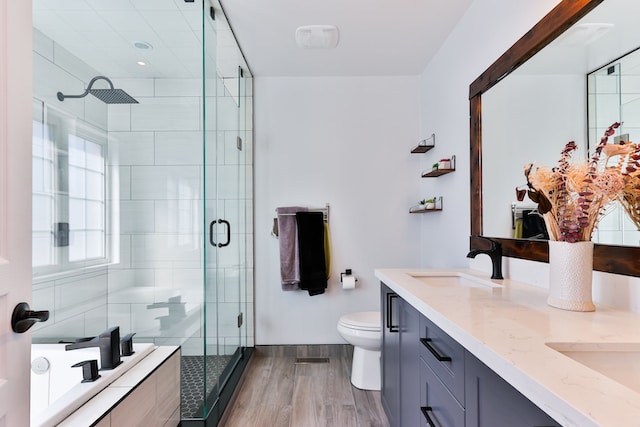
A bathroom fixture is anything anchored to the wall or plumbing, including washbasins, sinks, toilets, bathtubs and showers. Plumbing fixtures are more behind the scenes and generally referred to as fittings, while items like shelves and towel rails are called accessories. New fixtures that are energy-efficient and stylish can increase resale value. 

New Lighting

If your home has a lot of old lighting fixtures, replacing them with new ones will instantly modernize the space and make it look brand-new. This upgrade is one of the least expensive yet most effective ways to add value to your home.

If you have recessed lighting, consider upgrading to more energy-efficient LED lights. These bulbs will reduce energy consumption while providing bright illumination to your bathroom. Also, invest in bathroom fixtures Apopka with a sleek, modern aesthetic. A dated fixture can be a real turnoff for potential buyers, so choosing a style that will appeal to the most people is important. A great way to do this is by selecting fixtures made from solid brass. This material is known for its durability and can withstand the wear and tear of bathroom fixtures.

New Faucets

Installing new faucets may seem like a small upgrade, but they can impact your home’s value. The reason is that buyers look for attractive and functional fixtures that save water and energy. When choosing a faucet design, consider its finish and style to help narrow your options. For example, matte black, satin and nickel finishes hide water spots and fingerprints better than brass, making them easier to maintain. Chrome and combination chrome-and-brass are also popular choices for bathroom fixtures. Another way to save on water usage is using a faucet with an aerator that helps reduce water flow by 30% or more. Aside from helping conserve water, these faucets are less expensive than traditional models. 

New Toilet

Whether you have an old, worn toilet or one that’s just not working as well anymore, new bathrooms make for solid upgrades and provide good returns at resale. Today’s house buyers appreciate modern, water-efficient toilets that save them money and help to limit the spread of germs. If your home has an older toilet with a tank, consider replacing it with a more space-saving in-wall or tankless model. These models look cleaner and sleeker than traditional two-piece toilets and add a more contemporary feel to your bathroom. For a more significant upgrade, you can go all out with a high-tech smart toilet with built-in features like bidet functions, heated seat and toilet lid, automatic flush and more. These high-tech models can run a bit higher in cost than traditional toilets, but they will surely be a hit with future home buyers.

Double Vanity

Many homeowners want to upgrade their bathrooms by swapping out their current vanity for a more modern and stylish option. The good news is that this project is fairly simple and can significantly impact how the space feels. A double vanity is a popular choice that can add value to your home because it provides more space for getting ready in the morning. This feature is particularly important if you live with a partner or your housemates share the bathroom. You can also choose from various styles to suit your tastes and fit the rest of your decor. Many options come with plenty of storage for your beauty and hygiene products; some even have built-in lighting to give the room a more luxurious feel. You can also find options that look more like furniture, adding a cozy and welcoming touch to the room.


How to Choose the Right Solar Shades for Your Home

Solar shades reduce glare and block harmful UV rays from entering your home while maintaining an open view of the outdoors. This type of window treatment helps to keep interior temperatures more relaxed and protects furniture, carpets, and paintings from fading.

Since these shades are see-through, you’ll want to consider your privacy needs at night when outsiders can see into your home with lights on inside. This is why choosing a fabric with a lower openness percentage is essential.

Light Control

Protect your skin, drapes, and furniture from harmful rays while reducing home cooling costs with sleek solar shades. Choose from on-trend wood tones, neutrals, and brushed metals for coordinated aesthetics that work with any decor.

Solar shade fabrics are woven and coated to block out sunlight without blocking your view. Their opacity levels range from sheer to room-darkening and blackout, with various openness percentages allowing varying amounts of light.

Consider shades with lower openness percentages, like 1% or less, for maximum privacy. This allows you to see through your window, but you need more clarity of view with higher openness ratings. Carefully measuring your windows and ensuring accurate installation helps you achieve a flawless fit that reduces energy waste and creates a polished look.

UV Protection

Solar shades Ocala FL are a unique window treatment in that they offer UV protection while preserving the view, reducing glare, and controlling heat buildup in the summer. They are available in various openness levels and are designed to filter natural light into your home.

They reduce fading on interior furniture, curtains, floors, and artwork and are energy efficient by blocking solar heat and reducing solar rays that enter the home. They are also available in various styles, colors, and opacities to complement any decor.

Fabric openness or opacity determines the level of privacy, visibility, and light control you will enjoy. Exposure is based on the tightness of the fabric’s weave and ranges from 1% to 14%. A higher openness factor offers more transparency and a clear view outside, while lower openness factors provide more privacy.

Aesthetics

Solar shades reduce glare from sunlight, creating soft, flattering illumination that’s easier on the eyes. These window treatments are available in various styles and colors to coordinate with any decor. They can also be customized with a cordless lift option to meet window treatment safety standards for homes with young children.

Shades with openness factors of 10% or higher feature a loosely woven fabric that allows filtered views and natural sunlight into spaces during the day. Adding an operable liner to a woven shade can offer more privacy when needed, especially at night when indoor lights are on.

Style options include a contoured valance for a refined aesthetic and a cassette lift system that conceals the roller headrail for a clean look. Motorization upgrades are also available for an added touch of convenience and luxury.

Privacy

Solar shades offer excellent privacy during the day by blocking UV rays while maintaining your view of the outdoors. However, they can be challenging at night when passersby can easily see into your home.

Consider layering your exterior solar shades with drapery to help reduce light leakage during the night. This will add a level of privacy and also soften the appearance of your solar shades when they are open.

When choosing your fabric, be aware that solar shade fabrics have different opacity levels. This affects the amount of daylight and UV protection you will enjoy and how much of your view remains. The opacity level of your solar shades should be based on how vital sun control and privacy are to you.

Energy Efficiency

Solar shades are an excellent choice for homeowners looking to reduce glare, protect against sun damage, and save energy. They come in various colors, opacities, and styles to fit any decor. They are also available in corded, motorized, safe options for children.

When selecting your fabric, consider the openness factor, which reflects how tightly woven your shade is and how much light it allows. A lower openness factor means a tighter weave and less transparency.

For example, a 1% openness factor shade will allow very little sunlight to enter, while a 5% openness fabric will allow more light than a 1% openness fabric. This can significantly impact your privacy level. Choose a material that is right for you.

How Home Standby Generators Can Save You Money in the Long Run

Home standby generators monitor the power 24 hours a day and detect outages within seconds. They then disconnect your building from the power lines, turn on the generator engine, and supply electricity.

Unlike portable generators, a Briggs & Stratton standby generator is permanently installed, which must be wheeled out of storage and connected to your circuit-breaker panel before they start working. It automatically starts when the power goes out and operates with natural gas or propane.

Save Money on Utility Bills

Pro: Home standby generators provide backup power for appliances and equipment you may not be able to afford to lose during a power outage. These include a home’s HVAC system, water pump, sump pumps, refrigerators or freezers, central air conditioning units, security systems, and more.

Con: While the initial investment in a home standby generator is high, so are the potential costs associated with losing food, damaging expensive equipment, and living without essential services like home internet and wifi. Also, many life-saving medical devices require electricity and are left unpowered during a power outage.

A generator sized correctly to your household can automatically supply power during outages and transition back to utility lines as soon as the power returns. This saves you time and prevents costly inconveniences.

Protect Your Refrigerator or Freezer

A generator can power refrigerators and freezers so food stays cold or frozen during a power outage. This saves you money on grocery store bills and prevents spoilage of valuable food items.

It also protects specialty items like breast milk, which will thaw and go bad in a few hours if left without power. A generator can save you time and money from having to drive out to purchase more milk or waste months of precious work.

A whole-house standby generator connects directly to the breaker box, making it easier to keep important appliances like sump pumps, central air heat, and security systems working during a power outage. This can also help you avoid costly damage to your property from flooding or burst pipes caused by the loss of power to your sump pump.

Protect Specialty Items

A standby generator delivers steady power that prevents spoiled food and iced-over pipes. In addition, it can keep medical equipment operating and a host of other important items running.

A more complex but cost-effective approach is using N+1 isolated redundant generators. This allows generators to back up each other, eliminating a common point of failure within the standby power distribution system.

Installing surge protectors on appliances connected to generators is also a good idea. Generators produce large spikes of energy when they turn on, which can damage some devices. Surge protectors can help minimize the potential for such spikes and protect sensitive electronics.

Protect Your Medical Equipment

Medical equipment requiring electricity to function can become a life-or-death situation during a power outage. Backup generators can help ensure that these types of medical devices stay running.

Home standby generators protect specialty items like newborn babies’ milk supplies and other breastmilk storage products. These supplies would go bad if they thawed during a power outage, wasting months of work and costing parents hundreds of dollars.

Hospitals and healthcare facilities rely on backup generators to keep their essential equipment functioning during utility power failures. They also keep heating & cooling systems working, security & detection systems active, and powering operating rooms. Many of these units also include automatic transfer switches with a power management strategy. This helps determine how much power the generator can supply before it overloads.

Protect Your Internet Connection

Home and business owners working from home must stay connected during power outages. A generator can keep a home or business’s Internet connection up and running, which can help you avoid losing work, important documents, and other critical information.

Portable generators have a limited lifespan and must be manually refueled several times a day during power outages. On the other hand, a standby generator automatically monitors utility voltage 24/7 and turns itself on within seconds of a power outage.

Investing in a residential or commercial standby generator is an investment that can save you money in the long run. Talk to a trusted home energy expert about how a generator can fit your home or business needs. 

How Should You Clean Your Carpets?

Carpet cleaning frequency depends on many factors, such as how often you entertain guests and if people in your household suffer from allergies. Proper vacuuming, removing shoes when entering indoors, and addressing spills immediately will help prolong the life of your carpet and extend the time between professional janitorial services Egg Harbor Township, NJ.

Vacuuming

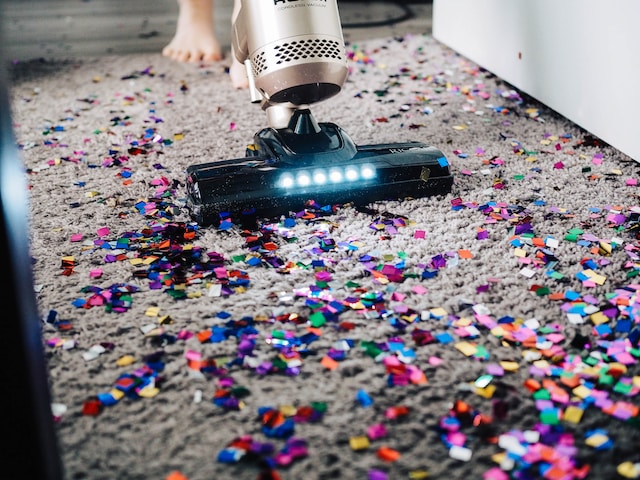
Vacuuming is one of the most important cleaning habits to prolong your carpets’ life. It’s also essential to keeping your home healthy as it removes unwanted dirt, dander, and hair – things that aren’t always visible to the naked eye.

When vacuuming, use the beater bar to agitate and lift carpet fibers in a straight line, and make sure you fill your bag appropriately, or it could create an uneven clean. You can even turn your vacuum 90 degrees and do a side-to-side sweep to help ensure the carpet is as clean as possible.

If you have children in your home, it is a good idea to vacuum all carpeted areas daily or as often as needed. This is because kids are lower to the ground and tend to inhale more nasties that build up in carpeting.

Shampooing

The carpet acts as a filter in your home, trapping dirt, dust, and allergens. These particles then become airborne, triggering allergy symptoms and other health issues. Shampooing carpets keeps these pollutants trapped and helps to improve your family’s health and the overall quality of indoor air.

Cleaning your carpets every three or four months is best for families with children and pets. This prevents the build-up of pet hair, dander, and tracked dirt that causes allergies. It also eliminates odors and keeps your carpet looking great.

You can minimize how often you need to shampoo your carpet by putting down entryway mats and encouraging everyone in the house to remove their shoes when entering the living areas. Regular vacuuming should also keep your carpets clean and extend their life. However, you may still need to shampoo or steam clean your carpets every 12 to 18 months. This is based on how much traffic your carpet receives, if there are smokers in the home, and if you have pets or children.

Deep Cleaning

The number of times you shampoo your carpets depends on various factors. A weekly pass with the vacuum may suffice for a small house or family rarely at home during the day. High-traffic areas and households with children, pets, and allergies must clean carpets more frequently.

Kids bring a lot of dirt into the home, from dropping food, spilling juice, and fingerpaint to tracking in mud, dust, and pet hair. Dirty carpets can also trap mold spores, bacteria, and other pollutants that affect the health of household members, especially young children.

Shedding, loose hair, and muddy paw prints are additional factors that require more frequent cleanings and a deep cleaning every six months. Regular cleaning will extend the life of your carpet and keep it looking its best. It will also help maintain your indoor air quality and reduce odors.

Maintenance

Vacuuming regularly prevents dust and dirt from becoming embedded in the fibers of your carpets. However, more than vacuuming is required to ensure your carpets are clean and hygienic. You should hire professional cleaners to clean your carpets deep once or twice a year.

Other factors to remember when performing maintenance on your carpets include the size of your household and how much foot traffic the rooms with carpet get. Consider whether you have pets and children at home. Pets tend to shed a lot of hair, and they can also have accidents that cause odors in the house.

Children are more likely to put their hands in their mouths than adults, which means they can be exposed to bacteria and dirt. It is important to regularly clean the carpeting in their rooms to reduce the chances of bacterial build-up and allergies. You should clean your carpets every 6 to 12 months if you have children and pets at home.