
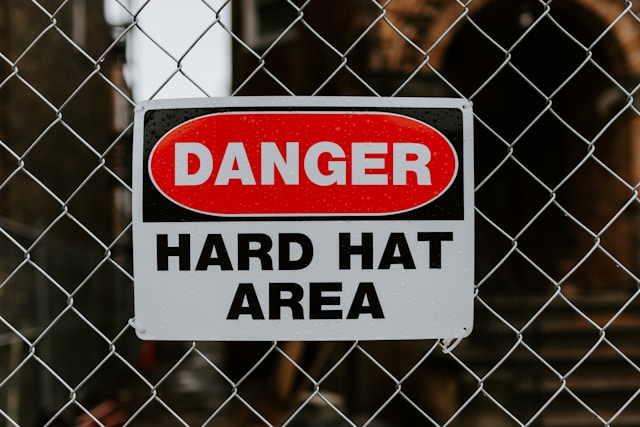
Key Takeaways
- Understanding the critical role of warning signs in promoting public safety.
- Identifying common types of warning signs and their applications.
- Learning how to design and place warning signs for maximum impact effectively.
- Exploring the importance of maintaining and updating warning signs regularly.
- Reviewing regulatory standards and guidelines for public safety signs.
Table of Contents
- The Role of Warning Signs in Public Safety
- Common Types of Warning Signs
- Designing Effective Warning Signs
- Strategic Placement of Warning Signs
- Maintaining and Updating Warning Signs
- Regulatory Standards for Warning Signs
The Role of Warning Signs in Public Safety
Warning signs play a crucial role in ensuring safety in public spaces. These signs warn individuals of potential dangers and help them avoid harmful situations. Whether it’s a warning about electrical hazards or a notification of slippery floors, the primary goal is to minimize risk. For example, road signs Washington help drivers navigate safely through various traffic conditions, enhancing overall road safety. Effective warning signs communicate urgent information clearly and quickly, preventing accidents and injuries. This is particularly true in busy environments like airports, construction sites, and roadways, where the timely transmission of safety information is paramount. In public transport hubs, for example, signs indicating emergency exits and hazard zones are vital for ensuring passenger safety. By alerting individuals to potential dangers, these signs work quietly yet profoundly to maintain a secure environment.
Common Types of Warning Signs
Understanding the different types of warning signs can help you choose the right ones for specific situations. Here are some of the most common types:
- Safety Signs: Indicate general safety instructions and emergency information.
- Hazard Signs: Warn of potential dangers, such as toxic substances or high voltage areas.
- Traffic Signs: Provide critical information for safe navigation on roads and highways.
For instance, traffic signs like “Stop” or “Yield” significantly reduce the risk of accidents by effectively controlling the flow of vehicles. Moreover, work zone signs alert motorists to construction activities, preventing road mishaps. In industrial settings, hazard signs convey the dangers of machinery and hazardous substances, ensuring workers remain alert and cautious. The versatility of warning signs makes them indispensable in maintaining safety across various environments.
Designing Effective Warning Signs
The design of a warning sign is pivotal to its effectiveness. Elements such as clear messaging, high-contrast colors, and recognizable symbols are essential. Research shows that incorporating familiar symbols can reduce the likelihood of misinterpretation, making the message more accessible. For example, a skull and crossbones symbol immediately conveys danger and toxicity, universally understood regardless of language barriers. According to the National Safety Council, implementing a visual hierarchy where the most critical information is prioritized helps communicate effectively. This method ensures that individuals receive and understand the message quickly.
Additionally, contrasting colors like black and yellow can make signs more visible from a distance. Typography also plays a significant role—simple, bold fonts are more readable. These design principles collectively contribute to maximizing the impact of warning signs.
Strategic Placement of Warning Signs
Where you place a warning sign can significantly impact its effectiveness. Signs should ideally be at eye level and positioned in areas where the intended audience quickly sees them. High-traffic zones, entrances, and exits are prime locations for crucial safety signs. This ensures that individuals are likely to notice and heed the warnings. For example, positioning a “Slippery When Wet” sign at the entrance of a frequently mopped area can be instrumental in preventing slip-and-fall accidents, ensuring that individuals are adequately warned of potential hazards as they approach them. Similarly, placing signs indicating high voltage in areas where electrical work is conducted can prevent accidental electrocution. Strategic placement is about visibility and timing—ensuring that people see the sign exactly when needed for maximum preventive effect.
Maintaining and Updating Warning Signs
Regular maintenance and updates are essential to keeping warning signs functional and practical. Over time, signs can become damaged, faded, or outdated, diminishing their utility. Conducting routine inspections and replacing or repairing signs is crucial. A faded or partially obscured sign needs to communicate its message effectively, posing a risk to public safety. The Occupational Safety and Health Administration (OSHA) provides guidelines on how often these checks should be done, helping organizations ensure that all safety signs remain compliant and effective. Regular updates are also necessary to keep up with changes in safety protocols and regulatory standards. Up-to-date signs enhance safety and ensure legal compliance, shielding organizations from potential liabilities.
Regulatory Standards for Warning Signs
Adhering to regulatory standards is vital when implementing warning signs in public spaces. Organizations like OSHA offer comprehensive guidelines to ensure safety signs meet necessary criteria. Compliance with these standards ensures public safety and helps avoid legal repercussions. Following these guidelines ensures that the signs are placed correctly, designed adequately, and maintained regularly. A sign that meets regulatory standards effectively communicates its message and complies with legal requirements, making it an integral part of any safety protocol.
Moreover, standardized signs promote consistency, ensuring that people have the same understanding of various hazards across different environments. This consistency is especially crucial in emergencies, where quick and correct responses can save lives. Complying with these standards is not just a legal obligation but a moral one, ensuring public safety.